Understanding Vintage Sewing Pattern Resources for Modern Creators
When discussing the landscape of textile design and historical reconstruction, the term Vintage Sewing Pattern often brings to mind physical paper sheets found in attics or specialized archives. However, in the context of digital content creation and web design, this phrase has evolved to encompass a broader category of aesthetic resources. Specifically, it refers to high-resolution digital assets that capture the intricate details, textures, and layouts characteristic of mid-20th-century textiles. These resources are not merely decorative; they serve as foundational elements for designers looking to infuse their projects with a sense of history, craftsmanship, and timeless elegance.
For professionals aged 20 to 50 who are evaluating digital assets for websites, blogs, or social media platforms, understanding the distinction between a standard stock image and a curated Vintage Sewing Pattern collection is crucial. The value lies not just in the visual appeal but in the technical specifications that ensure these images remain sharp and professional across various devices. Whether you are building an e-commerce site for handmade goods or a blog dedicated to fashion history, the right pattern can significantly enhance user engagement and brand perception.
Evaluating Format and Technical Specifications
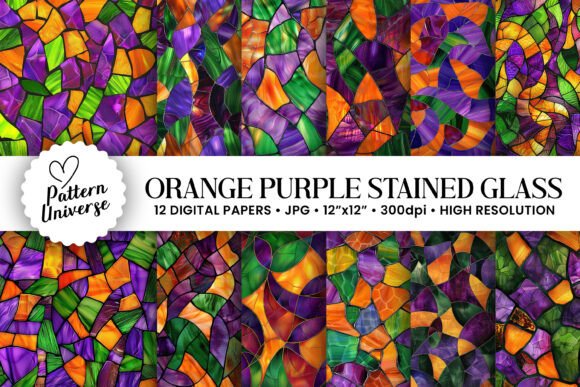
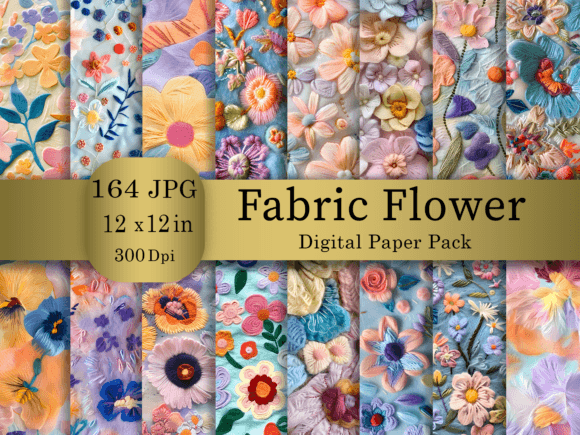
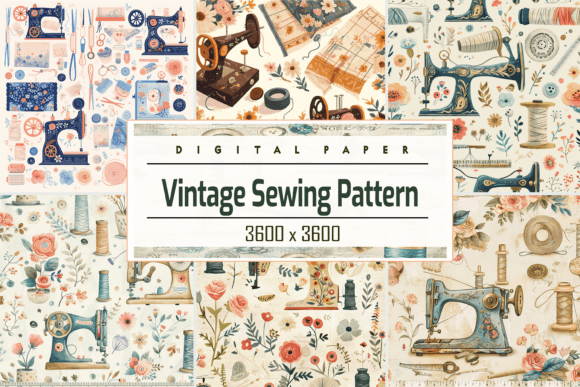
The decision to integrate a specific type of digital asset often hinges on its format and resolution. In the realm of Vintage Sewing Pattern digital downloads, the industry standard has shifted toward Portable Network Graphics (PNG) files with substantial dimensions. A typical high-quality offering includes 15 distinct HD images, each rendered at 3600 pixels by 3600 pixels. This equates to a 12-inch by 12-inch square at 300 DPI (dots per inch).
This specific combination of factors offers several practical advantages over lower-resolution alternatives:
- Print Readiness: At 300 DPI, these images are suitable for printing on large formats without pixelation, making them ideal for creating physical lookbooks or promotional materials alongside digital use.
- Web Versatility: High pixel counts allow designers to crop and resize images for hero banners, mobile headers, or background textures while maintaining clarity.
- Detail Preservation: The high resolution ensures that fine details—such as fabric grain, stitching lines, and subtle color gradients—are preserved, which is essential for the authenticity associated with vintage aesthetics.
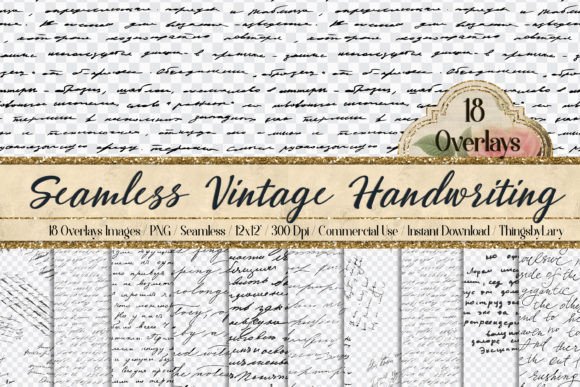
It is important to note a specific limitation regarding transparency. Unlike modern graphic overlays designed for layering, many Vintage Sewing Pattern collections are provided as solid blocks of image data rather than transparent PNGs. While this might seem like a drawback for complex compositing, it actually simplifies the workflow for users who need consistent, full-background textures. For those requiring transparency, the solid nature of the pattern allows for easier selection and masking using standard editing software, ensuring the underlying content remains visible without unwanted artifacts.
Comparative Analysis: Digital Patterns vs. Physical Archives
One of the primary considerations for researchers and creators is how digital Vintage Sewing Pattern resources compare to accessing physical originals. Physical patterns from the 1940s through the 1970s offer a tactile connection to history. They include handwritten notes, tissue paper markings, and the specific wear and tear that tells a story. However, they come with significant tradeoffs regarding accessibility and condition.
Digital collections address these limitations by providing immediate access and pristine reproduction. When comparing the two approaches, the following distinctions become apparent:
- Availability: Physical patterns are finite resources, often located in scattered private collections or expensive auction houses. Digital bundles provide instant access to a variety of designs, including abstract patterns, scenic landscapes, and vibrant colors, all available with a few clicks.
- Consistency: Old paper deteriorates. Colors fade, and creases accumulate. Digital versions maintain the original vibrancy and structural integrity of the design, ensuring that the "vintage" look remains crisp and professional.
- Cost Efficiency: Acquiring multiple unique physical patterns can be prohibitively expensive. A digital bundle offering 15+ variations often provides a more cost-effective solution for projects requiring diverse imagery.
However, the comparison is not one-sided. If your goal is historical accuracy for a museum exhibit or a documentary film where the provenance of the physical object matters, digital substitutes may fall short. In such cases, the lack of physical tangibility is a genuine limitation. Yet, for general commercial use, branding, and online presence, the digital format offers superior utility and ease of integration.
Assessing Design Variety and Aesthetic Fit
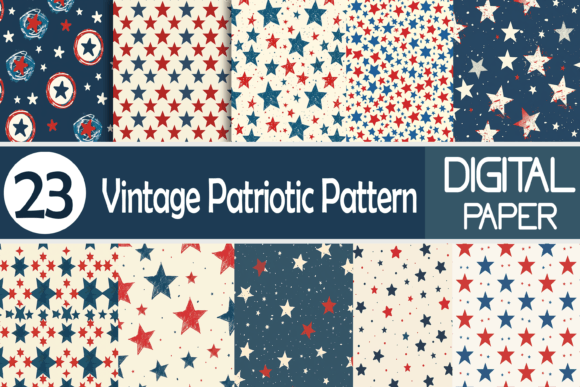
A critical factor in choosing the right resource is the diversity of the collection. A robust Vintage Sewing Pattern library does not rely on a single motif. Instead, it explores a spectrum of styles that define the era. This includes geometric abstractions common in the 1950s, floral motifs reminiscent of the 1960s, and bold, colorful prints from the 1970s.
When evaluating options, creators should look for collections that offer a balance between these styles. Relying solely on one type of pattern can make a website or blog appear dated or monotonous. The ability to choose from a range of designs allows for strategic placement based on the content's mood. For instance, a blog post about summer gardening might pair well with a scenic landscape pattern, whereas a post about structured tailoring might benefit from a more rigid, abstract design.
The strength of modern digital bundles lies in this curation. Rather than searching through hundreds of unrelated files, a well-assembled collection presents a cohesive set of images that share a unified quality level. This ensures that when a designer switches between backgrounds, the transition feels seamless and intentional, reinforcing the brand's professional identity.
Strategic Use Cases and Decision Factors
Deciding whether to invest in a Vintage Sewing Pattern digital collection depends heavily on the intended application. These assets are particularly effective in scenarios where texture and depth are required to break up large areas of white space or solid color. They are excellent for:
- Social Media Backgrounds: Adding a subtle vintage texture behind text overlays can increase readability and visual interest.
- Email Marketing: Using these patterns as headers or footers can distinguish branded communications from generic templates.
- Product Mockups: Placing digital garments or accessories over a vintage patterned background creates a compelling narrative for product photography.
- Website Theming: Implementing these patterns as section dividers or sidebars can give a site a unique, handcrafted feel that stands out against the clean, minimalist trends of modern web design.
Conversely, there are situations where a Vintage Sewing Pattern might not be the optimal choice. If the target audience prefers ultra-modern, sleek, and futuristic aesthetics, the nostalgic connotation of vintage patterns could create a dissonance. Additionally, if the project requires a highly dynamic, interactive background that changes based on user behavior, static image files, regardless of their quality, will not suffice. In such cases, CSS-generated patterns or vector-based SVG graphics might offer better performance and flexibility.
Maximizing Value Through Quality and Speed
The final consideration in selecting a resource is the balance between quality and convenience. Many low-cost alternatives sacrifice resolution for speed, resulting in blurry images that look unprofessional when scaled up. A premium collection prioritizes high definition, ensuring that every stitch and fold is visible. This commitment to quality is what separates a professional-grade asset from a casual download.
Furthermore, the ease of acquisition plays a role in the overall decision-making process. Fast and easy digital downloads mean that once a purchase is made, the files are immediately accessible. There is no waiting for shipping or dealing with physical storage. This immediacy allows creators to iterate quickly, testing different patterns to see which resonates best with their audience before committing to a final design direction.
In conclusion, integrating Vintage Sewing Pattern resources into your digital toolkit offers a powerful way to elevate your online presence. By providing high-resolution, professionally curated images, these assets bridge the gap between historical charm and modern functionality. Whether you are enhancing a personal blog or managing a corporate website, the ability to select from a diverse array of 12x12 inch, 300 DPI images ensures that your visual communication remains sharp, engaging, and distinctly stylish. For those ready to explore the possibilities, visiting a store that specializes in these high-quality collections is the logical next step to securing the perfect visual foundation for your project.